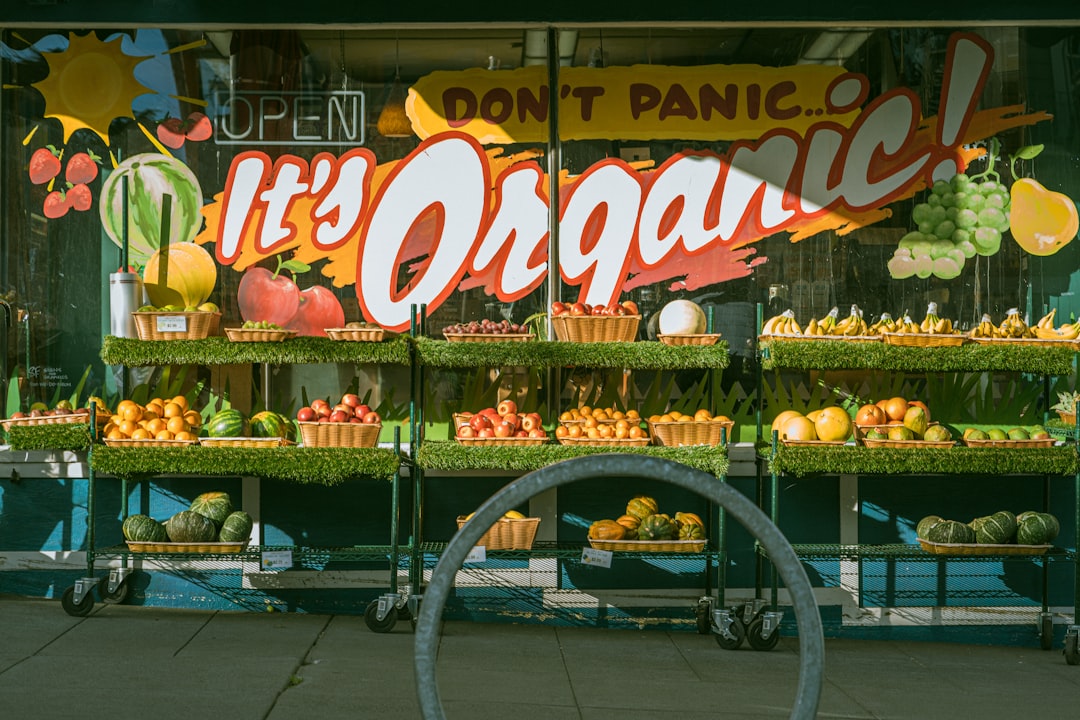
A produce organic food with low cost requires a strategic approach, focusing on efficiency and resourcefulness. The following guide outlines key principles for achieving this goal.
The health of the soil is paramount in organic farming, directly impacting crop yields and quality. Maintaining and improving soil fertility minimizes the need for external, costly inputs.
Testarea Solului și Suplimentarea Nutrienților
Analiza de Laborator
Before any significant interventions, a thorough laboratory analysis of the soil is essential. This provides a baseline understanding of nutrient levels, pH, organic matter content, and potential deficiencies or excesses. Understanding these parameters allows for targeted amendments, avoiding the unnecessary application of fertilizers that are both expensive and potentially harmful to the ecosystem.
Utilizarea Compostului
Compost is the cornerstone of organic soil fertility. Its production from on-farm waste (crop residues, animal manure, kitchen scraps) drastically reduces input costs. Well-rotted compost improves soil structure, water retention, aeration, and provides a slow release of essential nutrients. It fosters beneficial microbial activity, which is crucial for nutrient cycling.
Culturi de Acoperire (Cover Crops)
Planting cover crops during off-seasons or between main crop cycles offers multiple benefits. Leguminous cover crops, such as clover or vetch, fix atmospheric nitrogen, enriching the soil naturally. Other cover crops, like rye or buckwheat, improve soil structure, suppress weeds, prevent erosion, and can be tilled back into the soil as „green manure” to add organic matter and nutrients. This practice replaces synthetic fertilizers and reduces the need for mechanical weed control.
Amendamente Naturale cu Cost Redus
Beyond compost, other natural amendments can be sourced locally at low cost. Wood ash, for example, can provide potassium and calcium, but should be applied judiciously based on soil test results. Bone meal and blood meal, byproducts of the meat industry, offer phosphorus and nitrogen, respectively, and can often be acquired at reasonable prices. Seaweed, if accessible, is a rich source of trace minerals and growth hormones.
Conservarea Umidității Solului
Efficient water management is critical for low-cost production, especially in regions prone to drought. Healthy soil with high organic matter content retains water much better, reducing irrigation needs.
Mulcirea
Applying a layer of organic mulch (straw, wood chips, grass clippings, compost) around plants conserves soil moisture by reducing evaporation. It also suppresses weed growth, lessening the need for manual or mechanical weeding, which incurs labor costs. Mulch helps regulate soil temperature, protecting roots from extreme heat and cold.
Irigare Eficientă
When irrigation is necessary, adopting efficient methods is key to minimizing water usage and associated costs. Drip irrigation systems deliver water directly to the plant roots, reducing water loss through evaporation and runoff compared to overhead sprinklers. Irrigating during cooler parts of the day (early morning or late evening) also reduces water loss.
Designul Terenului
Practices like contour plowing and terracing can help retain rainwater on slopes, preventing erosion and improving soil moisture. Creating swales or berms can also direct water effectively to where it is needed most.
Selectarea Culturilor și Gestionarea Dăunătorilor și Bolilor
Choosing the right crops and implementing integrated pest and disease management strategies are fundamental to controlling expenses in organic farming.
Alegerea Culturilor
The selection of crops plays a significant role in managing costs. Some crops are naturally more resilient to pests and diseases, require fewer resources, and fetch higher market prices due to demand.
Culturi Rezistente și Adaptate
Prioritizing varieties known for their resistance to local pests and diseases reduces the need for interventions. Drought-tolerant or heat-resistant varieties are beneficial in challenging climates. Selecting crops that are well-suited to the specific soil and climate conditions of the farm increases the likelihood of successful harvests with minimal inputs.
Diversificarea Culturilor
Introducing a variety of crops within the farm system can break pest and disease cycles. Monocultures are more susceptible to widespread infestations. Crop rotation, where different plant families are grown in succession on the same land, disrupts the life cycles of specific pests and pathogens that might target particular crops.
Culturi cu Valoare Adăugată și Cerere Locală
Focusing on crops that have a strong local market demand or offer a higher selling price can offset production costs. Researching local markets and consumer preferences is crucial. Heirloom varieties or specialty produce might command premium prices, making their cultivation economically viable despite potentially higher management requirements.
Managementul Integrat al Dăunătorilor și Bolilor (IPM)
This approach emphasizes prevention and uses a combination of biological, cultural, and physical methods to control pests and diseases, resorting to organic-approved interventions only when necessary.
Control Biologic
Encouraging natural enemies of pests is a cost-effective and sustainable strategy. This can involve attracting beneficial insects like ladybugs, lacewings, and predatory wasps by planting specific flowers (e.g., dill, fennel, yarrow) that provide them with nectar and habitat. Introducing beneficial nematodes or microbial agents (like Bacillus thuringiensis) can also be effective against specific pests.
Metode Culturale
Good agricultural practices are the first line of defense. This includes proper spacing of plants to improve air circulation and reduce humidity, promoting healthy plant growth, and timely removal of infected plant material. Practices like intercropping (planting different crops together) can confuse or deter certain pests.
Capcane și Bariere Fizice
Using physical barriers, such as row covers or netting, can protect vulnerable crops from flying insects or larger pests. Different types of traps (e.g., sticky traps for aphids, pheromone traps for specific moths) can monitor pest populations and also act as a means of control.
Remedii Naturale și Organice Omologate
When pest pressure becomes significant, the use of organic-approved pesticides derived from natural sources, such as neem oil, pyrethrin (extracted from chrysanthemum flowers), or insecticidal soaps, can be employed. These are generally less harmful to beneficial organisms and the environment than synthetic pesticides. Careful application and timing are crucial for their effectiveness.
Managementul Apăi și al Energiei
Efficient use of water and energy translates directly into reduced operational costs.
Conservarea Apei
As previously mentioned, soil health and mulching are key to water conservation. However, other practices can further enhance efficiency.
Colectarea Apei de Ploaie
Setting up systems to collect rainwater from roofs or other surfaces can provide a free and sustainable water source for irrigation. This reduces reliance on municipal water or well water, which can incur significant costs.
Alegerea Momentului Optime pentru Irigare
Watering plants during periods of lowest evaporation maximizes water absorption by the soil and roots. This typically means early mornings or late evenings. Overwatering can lead to root rot and nutrient leaching, so monitoring soil moisture is essential.
Utilizarea Plantelor Tolerante la Secetă
Incorporating drought-tolerant species into the farming system, especially in areas with limited water availability, can significantly reduce irrigation requirements. This might include certain herbs, legumes, or specialized vegetable varieties.
Eficiența Energetică
Reducing reliance on fossil fuels and optimizing energy use is crucial for low-cost organic farming.
Utilizarea Energiei Solare
Where feasible, solar-powered pumps for irrigation or solar dryers for produce can significantly reduce electricity or fuel costs. Small solar installations can power tools or lighting systems on the farm.
Reducerea Lucrărilor Mecanice
Minimizing tilling, powered by tractors and fuel, saves on fuel costs and reduces soil disturbance. Practices like direct seeding, no-till farming, or reduced tillage preserve soil structure and reduce the need for heavy machinery.
Surse de Energie Regenerabilă Locală
Exploring options for locally sourced biomass for heating or energy generation, if available and cost-effective, can reduce dependence on conventional energy sources.
Selectarea și Întreținerea Echipamentelor
The right equipment, maintained efficiently, can prevent costly breakdowns and improve productivity.
Investiții Strategice în Echipamente
Prioritizing versatile and durable equipment is more economical in the long run.
Echipamente Multifuncționale
Opting for tools and machinery that can perform multiple tasks reduces the overall number of assets needed. For example, a small tractor with various attachments can handle tilling, planting, and transport.
Echipamente Second-Hand
Purchasing well-maintained used equipment can offer significant cost savings compared to new machinery. Thorough inspection and potential refurbishment are crucial before purchase.
Echipamente Adaptate la Scară
Matching the size and capacity of equipment to the scale of the farm prevents overspending on machinery that is too large and inefficient for the operation.
Întreținerea Preventivă
Regular maintenance of equipment is far more cost-effective than dealing with major repairs and downtime.
Curățare și Lubrifiere Regulate
Basic maintenance like cleaning machinery after each use and ensuring regular lubrication prevents wear and tear, extending the lifespan of equipment.
Revizii Periodice
Scheduling regular inspections and servicing of critical machinery, such as tractors and irrigation systems, can identify potential problems before they become major issues.
Piese de Schimb Accesibile
Stockpiling essential spare parts that are prone to wear or breakage can minimize downtime when replacements are needed. Sourcing parts from multiple suppliers to find the best prices is also advisable.
Maximizarea Randamentului Prin Tehnici Eficiente și Minimizarea Pierderilor
Improving yields and reducing post-harvest losses are direct contributors to profitability.
Optimizarea Tehnici Agricole
Implementing best practices during the growing season can significantly boost output.
Planificarea Cultivelor și Rotația
Strategic crop planning and rotation help prevent soil degradation and nutrient depletion, leading to healthier plants and better yields. This also disrupts pest and disease cycles, reducing crop loss.
Densitatea de Plantare Corectă
Ensuring the optimal spacing for each crop maximizes the use of available resources like sunlight, water, and nutrients, leading to higher yields per unit area.
Adăpostirea Plantelor (Suporturi)
For climbing plants like tomatoes, beans, or cucumbers, providing adequate support structures (stakes, trellises) allows for better light penetration, air circulation, and easier harvesting, preventing fruit damage and disease.
Minimizarea Pierderilor Post-Recoltare
Significant portions of produce can be lost between harvest and sale, impacting profitability.
Recoltare la Momentul Potrivit
Harvesting produce at its peak ripeness and quality ensures it has the longest possible shelf life and is most appealing to consumers. Over-ripened or under-ripened produce is more susceptible to spoilage.
Manipulare Delicată
Careless handling during harvest, transport, and packaging can cause bruising and physical damage, accelerating spoilage. Implementing gentle handling techniques is crucial.
Depozitare Corespunzătoare
Appropriate storage conditions (temperature, humidity, ventilation) are vital for extending the shelf life of harvested produce. Understanding the specific storage needs of different crops is key. This can range from simple cool storage to more advanced controlled atmosphere storage if the scale of operation justifies it.
Procesarea și Conservarea
For produce that may not sell quickly or is in surplus, techniques like drying, pickling, freezing, or making jams and preserves can transform it into value-added products, reducing waste and creating additional income streams. This requires investment in basic processing equipment and knowledge of preservation techniques.
By diligently applying these principles, organic farmers can cultivate healthy, productive food with significantly reduced operational costs, thereby enhancing their economic sustainability. The focus remains on intelligent resource management, preventative strategies, and understanding the intricate balance of the agricultural ecosystem.
FAQs
Ce înseamnă alimente organice?
Alimentele organice sunt produse în conformitate cu standardele de agricultură organică, care implică utilizarea metodelor naturale de cultivare, fără utilizarea pesticidelor sau a îngrășămintelor chimice sintetice.
Care sunt avantajele producerii de alimente organice?
Producția de alimente organice poate avea beneficii pentru sănătatea umană, pentru mediu și pentru bunăstarea animalelor. De asemenea, acestea pot avea un gust mai bun și pot fi mai nutritive.
Care sunt metodele de producție a alimentelor organice cu cost redus?
Pentru a produce alimente organice cu cost redus, se pot folosi tehnici de conservare a solului, cum ar fi mulcirea și compostarea, utilizarea îngrășămintelor organice și a pesticidelor naturale, precum și gestionarea eficientă a resurselor de apă.
Care sunt resursele necesare pentru producția de alimente organice cu cost redus?
Producția de alimente organice cu cost redus necesită resurse precum semințe organice, îngrășăminte naturale, materiale de mulcire, apă și muncă manuală sau mecanizată.
Care sunt exemple de alimente organice care pot fi produse cu costuri reduse?
Exemple de alimente organice care pot fi produse cu costuri reduse includ legumele și fructele, cerealele, leguminoasele, ouăle și carnea provenite de la animale crescute în sistemul de agricultură organică.