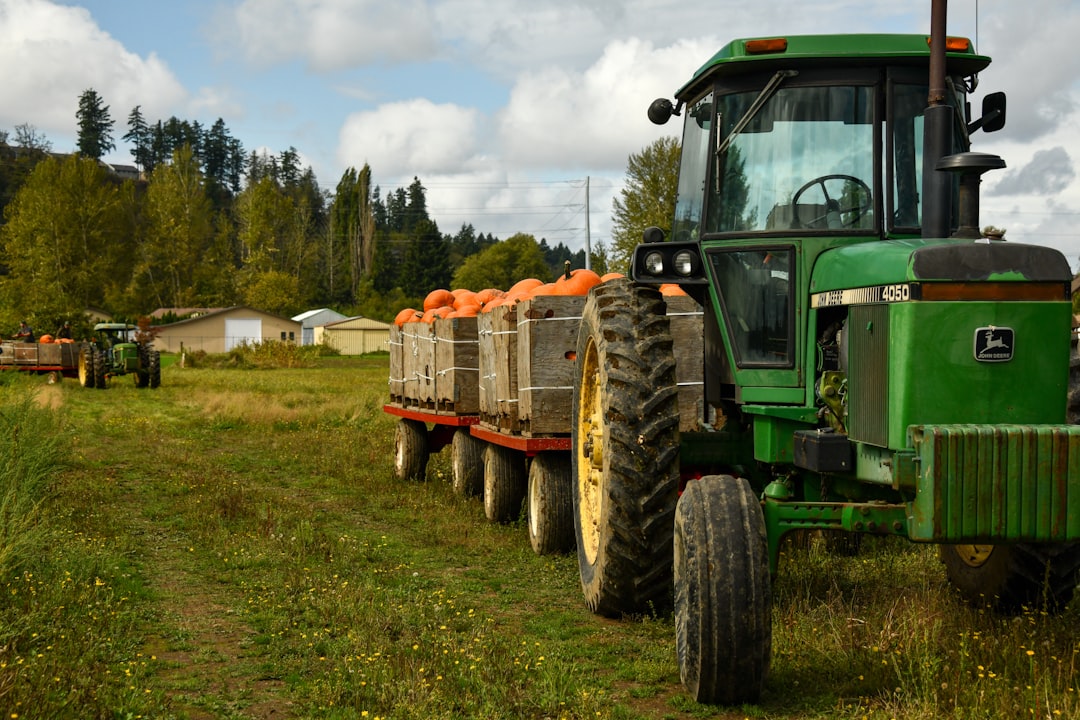
A creation of a competitive agricultural business, aiming for export markets, requires a strategic and meticulously planned approach. This endeavor is not a sprint, but rather a marathon, demanding consistent effort and adaptability. Understanding the intricacies of international trade, coupled with a profound knowledge of agricultural practices, forms the bedrock upon which a successful export-oriented enterprise is built. The following sections will guide you through the essential steps to cultivate a robust and profitable agricultural business poised for global reach.
Before planting the first seed or making any significant investment, a thorough understanding of the international market is paramount. This initial phase is akin to a skilled navigator charting a course, identifying promising destinations and potential obstacles. Without this foresight, your efforts could be adrift in a sea of unmet demand or oversaturated markets. The goal is to identify a specific niche where your agricultural products can not only compete but thrive.
1.1. Cercetarea Cererii Internaționale
The global marketplace is a vast tapestry of diverse needs and preferences. For an agricultural business, understanding these demands is the first critical step towards export success. This involves more than just a cursory glance; it requires deep dives into market reports, trade statistics, and consumer trend analyses.
1.1.1. Studierea Tendințelor Consumatorilor Globali
Consumers worldwide are increasingly informed and discerning. Trends such as organic produce, plant-based diets, sustainable farming practices, and exotic fruits and vegetables are gaining significant traction. Identifying which of these trends align with your potential production capabilities is crucial. For example, if there’s a growing demand for berries in Northern Europe, and your region possesses favorable climatic conditions and expertise in berry cultivation, this could be a strong starting point. This research should also consider varying dietary habits and cultural preferences across different continents.
1.1.2. Analiza Produselor Concurente și a Prețurilor
Understanding the competitive landscape is essential for formulating a viable pricing strategy. Examine what other countries or regions are exporting, their price points, and the quality they offer. Are there specific products that are consistently in high demand but with limited supply from certain regions? This can present an opportunity. Conversely, if a market is already flooded with a particular product, entering it might be akin to throwing a pebble into an ocean – the impact will be negligible.
1.1.3. Evaluarea Cerințelor Specifice ale Piețelor Destinație
Each country has its own unique set of import regulations, phytosanitary standards, and certification requirements. These are not merely bureaucratic hurdles; they are protective measures designed to safeguard public health and the environment. Ignoring these can lead to shipments being rejected at the border, resulting in significant financial losses and reputational damage.
1.2. Identificarea Nișelor de Piață Profitabile
Once you have a general understanding of global demand, the next step is to pinpoint specific niches that offer the greatest potential for profitability. This involves finding the overlap between what the market wants and what you can realistically produce at a competitive advantage.
1.2.1. Produse cu Valoare Adăugată Ridicată
Consider focusing on products that command higher prices due to their quality, origin, or unique characteristics. This could include specialty fruits, heritage vegetables, gourmet herbs, or products derived from organic or sustainable farming methods. These often have a dedicated consumer base willing to pay a premium.
1.2.2. Sezonalitate Complementară
Another strategic approach is to identify products that fill a seasonal gap in your target markets. For instance, if your region can produce certain fruits or vegetables during the off-season for a major importing country, this can create a significant advantage. This leverages both geographical and temporal differences to your benefit.
1.2.3. Produse cu Cerere Constantă și Volum Stabil
While niche products can be lucrative, don’t underestimate the power of staple crops or products with consistent demand. If you can produce a high-quality staple product efficiently and at a competitive price, and you can secure reliable buyers, this can form a stable foundation for your export business. Consistency is key in building trust with international buyers.
2. Dezvoltarea Produsului și Asigurarea Calității
The quality of your agricultural produce is your primary ambassador on the international stage. Neglecting quality control is like sending a poorly crafted message – it will likely be misunderstood and rejected. For export, this means adhering to international standards and consistently delivering produce that meets and exceeds expectations.
2.1. Standarde Agricole și Certificate Internaționale
To gain entry into most international markets, your produce must meet specific quality, safety, and ethical standards. This often necessitates obtaining recognized certifications.
2.1.1. Standarde de Calitate și Siguranță Alimentară
Buyers in developed countries are particularly concerned with food safety. This includes ensuring that your produce is free from harmful pesticides, contaminants, and microorganisms. Adherence to standards like HACCP (Hazard Analysis and Critical Control Points) or ISO 22000 is often a prerequisite.
2.1.2. Certificări Specifice (BIO, Fair Trade, GlobalG.A.P.)
Depending on your target market and product niche, certain certifications can significantly enhance your marketability.
- Certificarea BIO (Organic): Caters to the growing demand for organic products. Different countries have their own organic certification standards (e.g., EU organic logo, USDA Organic).
- Fair Trade: Assures consumers that producers have been paid a fair price and that ethical labor practices have been followed.
- GlobalG.A.P.: A widely recognized certification for Good Agricultural Practices, covering crop production, livestock, and aquaculture. It demonstrates a commitment to food safety, sustainability, and worker welfare.
Obtaining these certifications is an investment, but it opens doors to premium markets and builds consumer trust.
2.2. Practici Agricole Durabile și Inovare
Sustainability is no longer a niche concern; it is becoming a global imperative. Consumers and retailers are increasingly prioritizing products sourced from environmentally responsible and socially conscious farms.
2.2.1. Implementarea Tehnologiilor Moderne
Investing in modern agricultural technologies can significantly improve efficiency, reduce waste, and enhance the quality of your produce. This might include precision agriculture techniques (e.g., soil sensors, GPS-guided equipment), advanced irrigation systems, or controlled environment agriculture (e.g., greenhouses).
2.2.2. Managementul Riguros al Recoltării și Post-Recoltării
The journey of the produce from the field to the consumer’s table is fraught with potential pitfalls. Proper handling during harvesting, grading, packing, and storage is crucial to maintain freshness and prevent spoilage. This involves trained personnel, appropriate equipment, and temperature-controlled facilities.
2.2.3. Proporționarea Controlată a Produselor
Ensuring that your products conform to specific size, shape, and color requirements demanded by export markets is also part of quality assurance. This may involve sorting and grading processes implemented on-farm or at dedicated facilities. Consistency in appearance is often as important as consistent taste and quality for international buyers.
3. Strategii de Marketing și Vânzări Internaționale
Marketing your agricultural products on the global stage requires a different playbook than domestic sales. It’s about understanding cultural nuances, building international relationships, and effectively communicating the value of your offerings to a diverse audience.
3.1. Construirea Brandului și a Reputației
In the competitive export market, a strong brand identity and a solid reputation are invaluable assets. They are the signals that differentiate your products and build lasting customer loyalty.
3.1.1. Crearea unei Identități de Brand Distinctive
Your brand should tell a story – a story of quality, origin, and commitment. This can be reflected in your logo, packaging, and communication. Consider emphasizing unique selling propositions like „Sustainably grown in the heart of Romania” or „Hand-picked heritage tomatoes bursting with flavor.”
3.1.2. Prezentarea Produselor prin Materiale de Marketing Profesionale
High-quality visuals are essential. Invest in professional photography and videography of your farm and products. Develop brochures, product catalogs, and a well-designed website that effectively showcases your offerings and your commitment to quality. Translations into target languages are a must.
3.1.3. Participarea la Târguri Agricole Internaționale și Expoziții
These events are invaluable platforms for showcasing your products, networking with potential buyers, distributors, and importers, and staying abreast of industry trends. They offer direct exposure to your target markets and allow for face-to-face interactions, which are crucial in building trust.
3.2. Stabilirea Canalelor de Distribuție
Finding the right channels to get your products to international consumers is a critical step. This often involves working with intermediaries or establishing direct relationships.
3.2.1. Colaborarea cu Importatori și Distribuitori
These partners can be your gateway to new markets. They possess established networks, understanding of local regulations, and logistics capabilities. Thoroughly vet potential partners to ensure they align with your business values and have a proven track record.
3.2.2. Explorarea Direct Selling și E-commerce
For certain products and markets, direct selling to retailers, restaurants, or even consumers through online platforms can be a viable option. This requires robust logistics and customer service capabilities but can offer higher profit margins.
3.2.3. Formarea de Consorții sau Asociații cu Alți Producători
Collaborating with other local producers can create a stronger collective bargaining power and allow you to meet larger volume demands from international buyers. This can also streamline logistics and marketing efforts.
4. Aspecte Logistice și Financiare
The physical movement of goods and the financial transactions involved in international trade are complex and require careful planning. Neglecting these aspects is like trying to build a bridge with an unstable foundation; it’s bound to collapse.
4.1. Managementul Lanțului de Aprovizionare și Transport
Ensuring your produce reaches its destination in optimal condition is paramount. This involves a well-coordinated and efficient supply chain.
4.1.1. Planificarea Transportului Internațional (Aerian, Maritim, Terestru)
Each mode of transport has its advantages and disadvantages in terms of cost, speed, and suitability for different types of produce. Refrigerated containers (reefers) are essential for many perishable goods. Understanding transit times and optimizing them is crucial.
4.1.2. Asigurarea Condițiilor de Stocare și Manipulare
Temperature control during transit and at intermediate points (e.g., ports) is critical. Invest in or partner with facilities that can maintain the required temperature and humidity levels to preserve the quality of your produce. Proper handling prevents bruising and damage.
4.1.3. Managementul Vamal și al Documentelor de Export/Import
Navigating customs procedures can be a labyrinth. Ensure you have all the necessary export licenses, certificates of origin, phytosanitary certificates, and any other required documentation. Engaging a customs broker can simplify this process.
4.2. Finanțarea Exportului și Managementul Riscurilor
International trade involves significant financial commitments and inherent risks. A robust financial strategy is crucial for sustained growth.
4.2.1. Explorarea Opțiunilor de Finanțare (Credite, Subvenții)
Exporting often requires upfront investment in production, packaging, and logistics. Explore options such as export credit guarantees, trade finance facilities from banks, or government grants and subsidies aimed at promoting exports.
4.2.2. Structuri de Prețuri și Condiții de Plată
Determine your pricing strategies based on production costs, market prices, and desired profit margins. Negotiate clear payment terms with buyers, considering options like letters of credit or advance payments to mitigate financial risk.
4.2.3. Managementul Riscurilor Valutare și al Altor Riscuri Comerciale
Fluctuations in exchange rates can impact your profitability. Consider hedging strategies. Other risks include political instability in target markets, buyer insolvency, or force majeure events. Developing contingency plans is essential.
5. Adaptarea și Inovația Continuă
The global agricultural landscape is constantly evolving. To remain competitive, your business must be agile, proactive, and committed to continuous improvement. This is not a destination, but an ongoing journey.
5.1. Monitorizarea Performanței și Obținerea Feedback-ului
Regularly assess your performance against your export goals. Actively seek feedback from your international buyers and partners. This information is gold that can guide your future decisions.
5.1.1. Analiza Datelor de Vânzări și a Profitabilității pe Piețe
Understand which markets are performing well and which require more attention. Identify products that are consistently in demand and those that are less successful, and adjust your strategy accordingly.
5.1.2. Colectarea și Analiza Feedback-ului de la Clienți și Parteneri
Direct feedback from those who are interacting with your products and your business is invaluable. Listen to their suggestions regarding quality, packaging, delivery, and communication. This feedback loop is a powerful engine for improvement.
5.2. Inovația în Produse și Procese
To stay ahead of the curve, constant innovation is necessary. This applies to both what you produce and how you produce it.
5.2.1. Dezvoltarea de Noi Produse sau Varietăți Adaptate Piețelor Specifice
Based on market research and consumer trends, consider developing new products or adapting existing ones to better suit the tastes and preferences of your target markets. This could involve developing new fruit varieties with specific flavor profiles or introducing new processed agricultural products.
5.2.2. Optimizarea Continuă a Proceselor Agricole și Logistice
Look for opportunities to improve efficiency, reduce costs, and enhance the quality of your produce through ongoing optimization of your farming techniques, harvesting methods, and supply chain management.
5.2.3. Investiții în Cercetare și Dezvoltare (R&D)
Consider allocating resources to research and development to explore new agricultural technologies, sustainable practices, or product innovations. This forward-looking approach ensures your business remains at the forefront of the industry.
By diligently addressing each of these strategic pillars, an agricultural enterprise can transform its potential into tangible success on the international stage, cultivating not just crops, but also enduring relationships and a reputation for excellence.
FAQs
1. Care sunt pașii esențiali pentru a crea o afacere agricolă orientată spre export?
Pentru a crea o afacere agricolă orientată spre export, este important să începi cu un plan de afaceri solid, să identifici piețele externe potrivite, să te conformezi reglementărilor internaționale, să asiguri calitatea produselor și să stabilești relații comerciale cu parteneri din străinătate.
2. Ce documente sunt necesare pentru exportul produselor agricole?
Documentele necesare includ certificatul fitosanitar, factura comercială, lista de ambalare, certificatul de origine, documentele de transport și, în funcție de țara de destinație, pot fi necesare și alte certificate specifice, cum ar fi cele de calitate sau de conformitate.
3. Cum pot asigura calitatea produselor agricole pentru export?
Calitatea produselor se asigură prin respectarea standardelor internaționale, utilizarea tehnologiilor moderne de cultivare și procesare, controlul strict al condițiilor de depozitare și ambalare, precum și prin certificarea produselor conform normelor specifice pieței țintă.
4. Ce piețe externe sunt cele mai potrivite pentru exportul produselor agricole din România?
Piețele europene, precum Germania, Italia și Franța, sunt printre cele mai accesibile datorită proximității și cererii ridicate. De asemenea, piețele din Asia și Orientul Mijlociu pot oferi oportunități importante, în funcție de tipul de produs agricol.
5. Ce rol joacă finanțarea și sprijinul guvernamental în dezvoltarea unei afaceri agricole orientate spre export?
Finanțarea este esențială pentru investiții în echipamente, tehnologii și marketing. Sprijinul guvernamental, prin programe de subvenții, credite avantajoase și consultanță, poate facilita accesul la piețele externe și creșterea competitivității afacerii.